I've tested a lot of wireless earbuds and headphones at the gym over the years. While just about any model works fine, some are better suited for gym use and other sports than others, particularly in terms of design. Sports buds are not only sweat- and water-resistant, but they often have sport fins or ear hooks to help keep them securely attached to your ears. And earbuds with an open design, including clip-on models that attach to your ears like earrings, let you hear the outside world for safety. For even more workout audio options, check out our best bone-conduction headphones, best running headphones, best clip-on earbuds and best true-wireless sports earbuds with ear hooks lists.
Our Picks

Pros
- Improved design: buds are 20% lighter, case is 33% smaller, and ear hook is slimmer, incorporating nickel-titanium alloy
- Equipped with Apple's more powerful H2 chip
- Improved noise canceling and natural-sounding transparency mode
- Very good sound quality
- Excellent voice-calling performance with new microphones and voice accelerometers to help pinpoint your voice
- Built-in heart-rate sensors
- Physical control buttons work well during athletic activities
- Improved design and sound quality with smaller case
- Strong battery life and wireless charging
Cons
- Premium price
- Some users may not get a tight seal with included ear tips
- A few features missing from AirPods Pro 2 (no Precision Finding, Conversation Awareness or Adaptive Audio)
- Some Apple-exclusive features unavailable to Android users
- Built-in heart-rate monitor may not seem like a needed feature to some people

Why I like them
Pros
- Comfortable fit and good build quality
- Strong sound for open earbuds, with large 11×20 mm dual-diaphragm drivers
- Good battery life (up to 12 hours)
- Noise reduction technology takes the edge off ambient sound
- Good voice-calling performance
- Wireless charging
Cons
- Fairly pricey
- Noise reduction feature doesn't muffle sound as well as AirPods 4 with Noise Cancellation
Why I like them
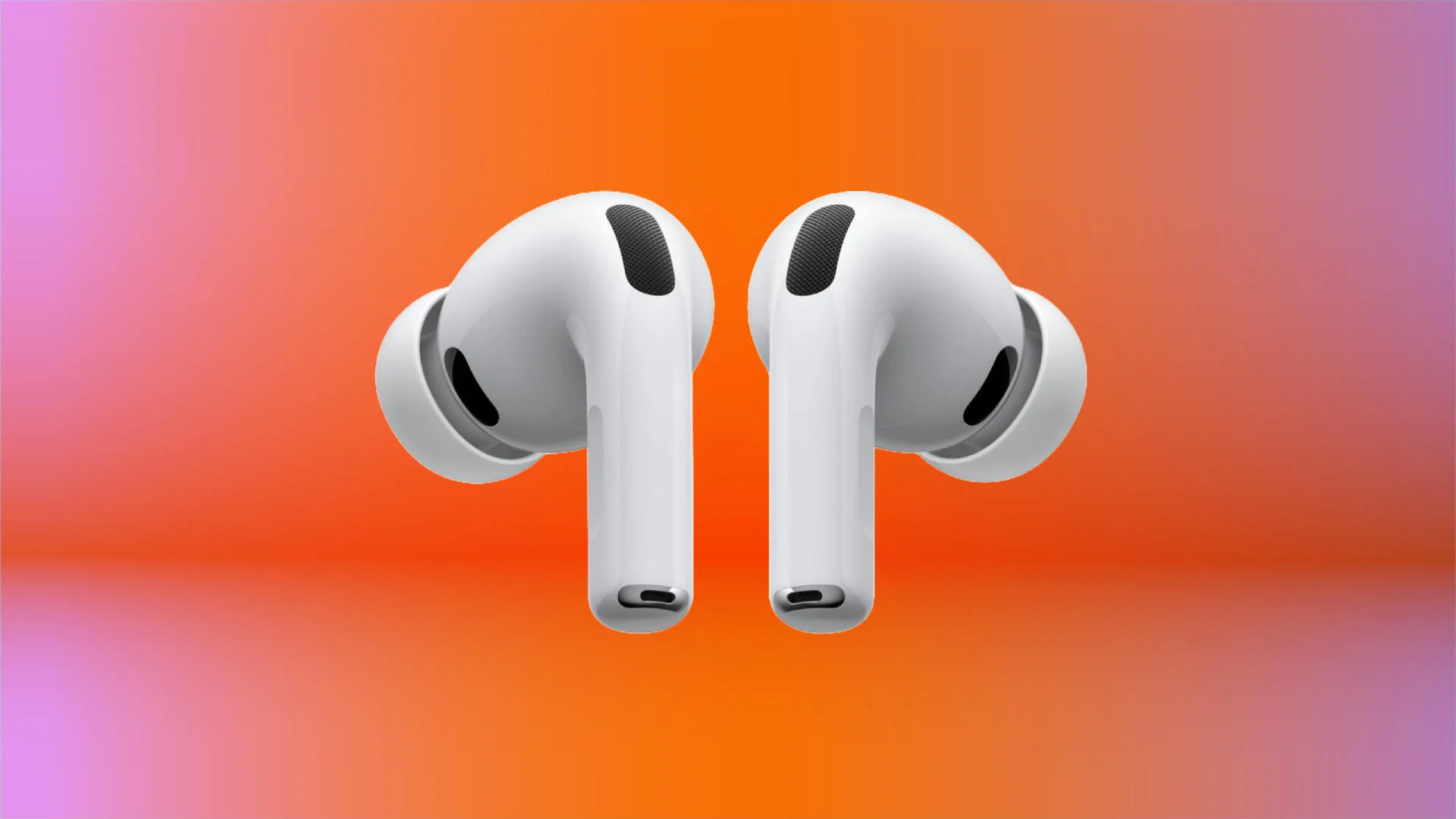
While I didn't get the new H3 chip I had hoped for, or a charging case that doubles as a Bluetooth transceiver for in-flight entertainment, I did get most of what I wanted from the AirPods Pro 3. The changes may seem incremental to some folks, but key elements -- fit, sound quality, noise cancellation and a single-charge battery life -- have all seen noticeable upgrades.
Pros
- Design upgrades to the buds and ear tips improve their fit
- Noise cancellation has been upgraded and is now top-notch
- They sound better, with improved bass response and more clarity
- Built-in heart-rate monitoring with new sensors
- Excellent voice-calling performance (upgraded microphones)
- Battery life rated for up to eight hours (up from six for AirPods Pro 2)
Cons
- They still use the H2 chip found in the AirPods Pro 2
- Heart-rate monitoring is buried in fitness apps
- While they work with Android, many of their features are exclusive to Apple devices
- Some new colors would be nice

Why I like them
Pros
- Lightweight and comfortable with integrated ear hooks
- Are among the best-sounding open earbuds
- Improved battery life (up to 11 hours)
- Both physical buttons and touch control for ease of use while running or working out
- Good voice-calling performance
Cons
- Somewhat pricey
- Charging case is not dust- or water-resistant

Why I like them
Pros
- Lightweight with a comfortable, secure fit thanks to Sony's new Air Fitting Supporters and redesigned ear tips
- Very good sound with a bass-forward, dynamic sound profile
- Good noise canceling
- Strong voice-calling performance with good background noise reduction
- Built-in voice controls and Sony's Speak-To-Chat feature
- Optional accessories available to customize the look of the buds and case
Cons
- Overpriced at their list price
- No wireless charging

Pros
- Redesigned integrated wingtip offers a more comfortable secure fit and and is more durable
- XS ear tip now included
- Same strong sound quality as Fit Pro's
- Effective noise canceling and good transparency mode
- Smaller charging case that has a better hinge and is IPX4 splash-proof
- Powered by Apple's H1 chip, so the buds have special features for Apple users, including spatial audio with head-tracking
- Beats app for Android users
Cons
- While their wingtip design has improved the buds' fit and the case is 17% more compact, they're essentially the Beats Fit Pro (released in 2021)
- Aren't powered by Apple's more advanced H2 chip that unlocks several new features and improves performance
- No wireless charging
- Not a good deal at their list price (but they should be frequently discounted)

Why I like them
Pros
- Comfortable, secure fit
- Fairly premium design for the price and a good value overall
- Very good sound for open earbuds
- Dual drivers, including a Knowles balanced-armature driver, and Sound by Bose tuning
- Good battery life (up to 8 hours)
- IP66 waterproof and dust-resistant
Cons
- They distort a little at higher volumes
- Not great for noisy environments
- No ear-detection sensors

The well-designed OpenDots One are among the best open earbuds out there right now. While they don't sound quite as good as the Bose Ultra Open Earbuds, they're pretty close and fit my ears slightly better and have better battery life. Read review.
Pros
- Good sound for clip-on open earbuds
- Comfortable, secure fit
- Good battery life
- Wireless charging
Cons
- Pricey
- Voice-calling performance could be a little better

The Acefast Acefit Pro are similar to a lot of the new ear hook-style open earbuds but they have a few distinguishing design traits that help set them up. For starters, they have built-in LEDs with 8 lighting effects that help make you visible at night (a real bike light puts out significantly more light, however). Also, their charging case is slim and has a battery life indicator in the translucent lid that lets you know how much juice is left in the case. Overall, I found the buds comfortable to wear and they sound good for open earbuds, delivering ample bass with decent clarity and good volume. From a sound standpoint they measure up well to Anker's Soundcore AeroFit 2 and a lot of midrange open ear sports buds. I also thought their touch controls worked well while voice-calling performance was slightly above average though not top-tier.
Pros
- Lightweight, comfortable and secure fit with flexible ear hooks
- Sound good for this style of earbud with ample bass
- Built-in LED lights for nighttime workouts
- Slim charging case is only a little over an inch thick and has a LED battery life indicator
Cons
- Acefast logo is a little too prominent and a tad garish
- Battery life could be a slightly better

Anker's Soundcore AeroFit 2 open earbuds have been completely redesigned and look quite different from the original AeroFit buds. The second-gen Aerofit are not only more comfortable but look sleeker, sound significantly better and offer all-around improvements. The buds aren't as light as the Shokz OpenFit 2 buds and don't sound quite as good, but they cost less and offer good all-around performance with augmented bass response. Available in multiple colors, they're a good option for those looking for ear-hook style open earbuds with a fairly premium design and good sound quality without the high price tag of top-end models.
Pros
- Comfortable, secure fit
- Improved sound with more bass
- Good battery life
- Well-priced
Cons
- A little heavier than Shokz models
Why I like them
Pros
- Lightweight and comfortable with ear tips that fit well
- Dual drivers deliver clearer, richer sound on par with more premium earbuds
- Slightly improved noise-canceling performance from predecessor
- Robust feature set, including Bluetooth 6.0 and support for a variety of audio codecs
- Good battery life (up to 8 hours with ANC on)
Cons
- Voice-calling performance could be a little better
- Transparency mode is only average
- Vertical charging case design can be awkward

The problem with bone-conduction headphones has always been that they just don't sound all that good. That is unless you plug up your ears, which defeats the safety benefit of their open-ear design and is why they're so popular with runners and bikers. Well, that just changed. Shokz has finally cracked the code on bone-conduction sound quality with a novel dual-driver design in its new flagship OpenRun Pro 2 headphones ($180).
Pros
- Dual-driver technology improves sound dramatically
- Comfortable and secure open-ear design
- Low vibration
- Good voice-calling performance
- Limited sound leakage
Cons
- Somwhat pricey

Why I like them
Pros
- Upgraded design from X10
- Secure, comfortable fit
- Slightly better sound and noise canceling
- Improved battery life
- Fully waterproof and dust-proof
Cons
- Lack a bit of clarity
- Sound is degraded if you don't get a tight seal

While the BlueAnt Pump X headphones aren't going to win any awards for sound quality (they sound good but not great), they have a few things going for them as gym headphones. First, they fold up and feel sturdily built, weighing in at 295 grams (while they're not light, they're also not too heavy). Second, they're comfortable to wear and come with two sets of swappable ear pads -- the "everyday" set is covered with soft faux leather, while the workout set is cloth-covered and is designed to keep your ears cooler as you heat up. Finally, they're IP54 splash-proof and sweat-proof. I also liked that they feature physical control buttons, making them easy to operate, and support USB-C audio, which allows you to plug them into a USB-C-equipped smartphone, tablet or PC and use a wired connection to improve the audio quality with more clarity.
Pros
- Sturdy design (IP54 water-resistant)
- Comfortable
- Come with a second set of ear pads for workouts
- Good battery life
- USB-C audio
Cons
- No companion app
- No headphone cable for wired mode with devices with headphone jacks

In recent years, with its new earbuds, Bose has focused on premium noise-canceling buds with premium price tags. But now it's released more affordable QuietComfort Earbuds at $179 (£180) for folks priced out of its $299 (£300) flagship QuietComfort Ultra Earbuds. The new QC Earbuds, as Bose calls them, don't perform quite as well as the QC Ultra Earbuds, but they offer a very secure fit, strong sound and noice-canceling performance while adding a few new features, including built-in voice controls, not found in the Ultras.
Pros
- Comfortable, secure fit
- Very good sound and noise canceling
- Good battery life
- Case has wireless charging
- Voice-control features built into buds
Cons
- Buds and case are a little big
- Voice-calling performance could be slightly better
- Voice-control features are a bit hit or miss

Pros
- Smaller design should provide a better fit for a wider range of ears
- Built-in stabilizer fins for a more secure fit
- Excellent sound quality with improved detail, depth and definition
- New Tensor A1 chip steps up the processing power
- Improved noise canceling that muffles more sound across a wider range of frequencies
- Good voice-calling performance (Pixel users get Google's "Clear Calling" technology)
- "Hands-free, eyes-free" Gemini AI Google Assistant for Android users
- Spatial audio with head tracking
Cons
- Higher price than previous model
- Not everybody will get a tight seal from included ear tips
- No support for AptX or LDAC audio codecs

Skullcandy's Crusher headphones have a built-in slider that allows you to dial in the bass to such a degree that you literally feel it vibrating on your head. The Crusher 540 Active is similar to other Crusher models (it doesn't have active noise canceling like the Crusher ANC 2, however) but it has a sweat-resistant nano coating as well as removable ear pads that are washable. I found those memory foam ear pads, which are cloth-covered, quite comfortable to wear and easy enough to put back on after I removed them, although it initially seemed harder than it looked to get them seated securely again. They also have physical controls, which I appreciated, and I liked their sound when I dialed back the bass to its lowest setting. The headphones actually offer decent clarity and well-defined bass at their default setting, but bass heads can dial up the low-end to 11 and rattle their heads all they want (the bass does sound fairly muddy when you crank it all the way up).
Pros
- Comfortable design with cloth-covered memory foam ear pads that are removable and washable
- Well-balanced, smooth sound at default bass setting
- Physical controls are easy to operate by feel
- Sider dials in the bass to levels you'll feel
- Simple carrying pouch included
- Built-in Tile finding technology
Cons
- No noise canceling
- Somewhat expensive
- Bass gets boomy and muddy at max setting (but some people love that)

Known for its swim headphones and earbuds, H2O Audio has now branched out into more land-based headphones with its Ript Ultra over-ear headphones and Ript Light earbuds. For working out, the Ript Ultra headphones' key feature are their ear "cushions." Two swappable sets are included: One is covered with soft-to-the-touch silicone and is sweatproof (the pads are washable) while the other is covered with soft faux leather for everyday use. Both sets of cushions are nicely padded with memory foam on the inside and the headphones are comfortable to wear, though slightly heavy at 10.5 ounces (298 grams).
Pros
- Comfortable
- Swappable sweat-proof ear pads included
- Good sound
- Decent noise canceling
- Strong battery life
Cons
- Fairly pricey
- No companion app at launch

Pros
- Significantly improved sound quality with better clarity, definition and tighter bass
- Durable, seamless faux-leather earpads for excellent comfort and acoustic seal
- Improved noise canceling and more natural sounding transparency mode
- Very good voice-calling performance
- Spatial audio with head tracking for Apple users
- USB-C audio for lossless wired listening
Cons
- Uses custom Beats chip rather than Apple's H2 chip (limits future feature upgrades)
- No ear-detection sensors to automatically pause/resume audio
- USB-C listening mode disables noise cancellation and transparency features

Pros
- Lightweight and comfortable
- Good sound with very good noise canceling and ambient sound mode
- Good voice-calling performance
- Multipoint Bluetooth
- 35 hours of battery life
- Robust EQ settings
Cons
- No carrying case or pouch included
- Missing more advanced features like ear-detection sensors, LDAC audio codec support and Sony's Quick Attention and Speak-To-Chat
HEADPHONE DEALS OF THE WEEK
- $200 (save $49)
- $248 (save $152)
- $170 (save $181)
- $398 (save $62)
What are the best headphones for working out?
I tend to use the AirPods Pro 3 at the gym because their new foam-infused eartips have allowed me to get a more secure fit than the AirPods Pro 2. Meanwhile, Apple also makes the earhook-style Beats Powerbeats Pro 2, which are improved in every way from their predecessor. Those models are pretty pricey, but there are plenty of more affordable workout earbuds options, with several models on the list costing less than $100.
What We Updated: January 2026
I added the Shokz OpenFit Pro to the list and moved several models to the "other workout headphones and earbuds we tested" section.
Best earbuds and headphones for working out for 2026
Pros
- Improved design: buds are 20% lighter, case is 33% smaller, and ear hook is slimmer, incorporating nickel-titanium alloy
- Equipped with Apple's more powerful H2 chip
- Improved noise canceling and natural-sounding transparency mode
- Very good sound quality
- Excellent voice-calling performance with new microphones and voice accelerometers to help pinpoint your voice
- Built-in heart-rate sensors
- Physical control buttons work well during athletic activities
- Improved design and sound quality with smaller case
- Strong battery life and wireless charging
Cons
- Premium price
- Some users may not get a tight seal with included ear tips
- A few features missing from AirPods Pro 2 (no Precision Finding, Conversation Awareness or Adaptive Audio)
- Some Apple-exclusive features unavailable to Android users
- Built-in heart-rate monitor may not seem like a needed feature to some people
Why I like them
The original Powerbeats Pro were released in May 2019, so Beats has had a lot of time to plot how to improve the second generation of its popular ear-hook style true-wireless sport earbuds. And improve they have -- by quite a bit. Not only do they feature a new, more refined design with better ergonomics, but new drivers, a more powerful Apple H2 chip, a new built-in heart-rate sensor and, yes, active noise canceling for the first time in a pair of Powerbeats. And that noise canceling is quite good, as is the sound quality and voice-calling performance -- so long as you get a tight seal from one of the five different included eartips. Read my Beats Powerbeats Pro 2 review.
These new Powerbeats Pro 2 fit my ears better thanks to Beats improving the overall ergonomic shape of the earbud and completely redesigning the ear hook -- it's 50% smaller and incorporates nickel-titanium alloy, so it's both flexible and durable. The buds themselves are 20% lighter.
Reasons to buy
Fitness enthusiasts prefer earbuds with ear hooks to prevent their buds from falling out of their ears during intense workouts. Typically, such earbuds don't offer the greatest performance, but the Powerbeats Pro 2 share many of the same qualities and features as the AirPods Pro 2, featuring very good sound quality, along with strong noise cancellation and voice-calling performance. In short, they're versatile, also performing well as everyday earbuds. It's also worth noting that while the Powerbeats Pro 2 have some Apple-exclusive features, Beats does have an app for Android users that makes these more Android-friendly than AirPods.
Reasons to skip/keep looking
While Beats has improved the Powerbeats Pro 2's design and ergonomics, they still may not be a comfortable fit for everybody's ears, and some people may not get a truly tight seal from any of Beats' eartips. (I had an issue and had to use another set of eartips from my collection.) If you don't get a tight seal, you'll likely be unimpressed with the sound quality and noise canceling and may want to return them to the store where you bought them. (Try to find some alternative eartips before you do that.)
The Shokz OpenFit Pro come in white or black for $250.
Pros
- Comfortable fit and good build quality
- Strong sound for open earbuds, with large 11×20 mm dual-diaphragm drivers
- Good battery life (up to 12 hours)
- Noise reduction technology takes the edge off ambient sound
- Good voice-calling performance
- Wireless charging
Cons
- Fairly pricey
- Noise reduction feature doesn't muffle sound as well as AirPods 4 with Noise Cancellation
Why I like them
Shokz wanted to equip its new flagship OpenFit Pro open earbuds with active noise cancellation, but that's not easy with open earbuds. Instead, it ended up dialing back expectations and calling the tech inside these new ear-hook-style buds, "OpenEar Noise Reduction." It's a good thing it did because, during time testing the OpenFit Pro, they didn't reduce ambient sound nearly as well as the Apple AirPods 4 with Active Noise Cancellation. But they sound impressive for open earbuds, are comfortable to wear and have the premium build quality you'd expect from a set of earbuds that cost $250. Read review.
Reasons to buy
The OpenFit Pro are well-designed and among the best-sounding open earbuds.
Reasons to skip/keep looking
There are more affordable open buds with ear-hook designs that may not sound quite as good, but do cost $50-$100 less.
Pros
- Design upgrades to the buds and ear tips improve their fit
- Noise cancellation has been upgraded and is now top-notch
- They sound better, with improved bass response and more clarity
- Built-in heart-rate monitoring with new sensors
- Excellent voice-calling performance (upgraded microphones)
- Battery life rated for up to eight hours (up from six for AirPods Pro 2)
Cons
- They still use the H2 chip found in the AirPods Pro 2
- Heart-rate monitoring is buried in fitness apps
- While they work with Android, many of their features are exclusive to Apple devices
- Some new colors would be nice
Why I like them
While I didn't get the new H3 chip I had hoped for, or a charging case that doubles as a Bluetooth transceiver for in-flight entertainment, I did get most of what I wanted from the AirPods Pro 3. The changes may seem incremental to some folks, but key elements -- fit, sound quality, noise cancellation and a single-charge battery life -- have all seen noticeable upgrades.
They're about as close as earbuds get to being complete: excellent noise cancellation, strong voice-calling performance and sound quality that rivals the very best. Few buds excel in all three areas -- and the Pro 3s manage to do so while packing in plenty of extra features, including a new heart-rate monitoring feature. Read my full review.
Reasons to buy
As I said, these buds are significantly improved in the four most important areas: fit, sound quality, noise cancellation and battery life. The result is that you don't feel like you're making any compromises when buying the AirPods Pro 3 if you're an Apple user.
Reasons to skip/keep looking
While they do work with Android devices, you'll lose many of the AirPods 3's extra features, especially those designed for Apple's ecosystem of iPhones and iPads. They may also just be a little too expensive for many people.
The OpenFit 2 in their case.
Pros
- Lightweight and comfortable with integrated ear hooks
- Are among the best-sounding open earbuds
- Improved battery life (up to 11 hours)
- Both physical buttons and touch control for ease of use while running or working out
- Good voice-calling performance
Cons
- Somewhat pricey
- Charging case is not dust- or water-resistant
Why I like them
Shokz has released the newer OpenFit 2 Plus, which adds wireless charging and a Dolby Atmos sound mode for $20 more. The buds are otherwise the same, so you can decide whether it's worth the extra dough (I'm not sure it is). Both are comfortable to wear, sound excellent for open earbuds, at least in quieter environments and offer good voice-calling performance. I also like that each bud has a programmable physical control button to control playback. Read my Shokz OpenFit 2 review.
Reasons to buy
While the Shokz OpenFit 2 are a little pricey, they're among the best open earbuds with ear hooks and feature a comfortable, durable design, strong sound quality (for open earbuds), good voice-calling performance and improved controls. Because of these traits, I have them near the top of my list of best headphones and earbuds for runners. They also work well for bikers and anyone who doesn't like having eartips jammed in their ears.
Reasons to skip/keep looking
You can find cheaper open earbuds with ear hooks that may not sound quite as good, but they're pretty close and are a better overall value.
Pros
- Lightweight with a comfortable, secure fit thanks to Sony's new Air Fitting Supporters and redesigned ear tips
- Very good sound with a bass-forward, dynamic sound profile
- Good noise canceling
- Strong voice-calling performance with good background noise reduction
- Built-in voice controls and Sony's Speak-To-Chat feature
- Optional accessories available to customize the look of the buds and case
Cons
- Overpriced at their list price
- No wireless charging
Why I like them
Truth be told, in some ways, I like the Sony's new LinkBuds Fit better than its flagship WF-1000XM5 noise-canceling earbuds. While they don't sound quite as good or have noise-canceling that's quite on par with those buds, they're lightweight (4.9 grams) and fit my ears comfortably and securely. Part of that is due to Sony's new Air Fitting Supporters, but it's also redesigned its ear tips and included a wide range of sizes, including XL tips that fit my ears well. Despite being a slight step-down from the WF-1000XM5s for performance, their sound quality, noise canceling and call-quality performance are all very good. They also have built-in voice controls.
Reasons to buy
In many ways, these are Sony's answer to Beats' Fit Pro earbuds that were released in late 2021 and become very popular. Not only only do they sound good but they're lightweight and comfortable and fit securely in your ears thanks to their sport fins, making them good for both everyday use and sporting activities.
Reasons to skip/keep looking
The biggest problem with the LinkBuds Fit is that their list price is too high (they're overpriced at full price). They do get discounted now, and they're more enticing when they dip below $150 (they'd ideally cost closer to $130).
The Powerbeats Fit in orange. They have the same physical button to control playback as the Fit Pro.
Pros
- Redesigned integrated wingtip offers a more comfortable secure fit and and is more durable
- XS ear tip now included
- Same strong sound quality as Fit Pro's
- Effective noise canceling and good transparency mode
- Smaller charging case that has a better hinge and is IPX4 splash-proof
- Powered by Apple's H1 chip, so the buds have special features for Apple users, including spatial audio with head-tracking
- Beats app for Android users
Cons
- While their wingtip design has improved the buds' fit and the case is 17% more compact, they're essentially the Beats Fit Pro (released in 2021)
- Aren't powered by Apple's more advanced H2 chip that unlocks several new features and improves performance
- No wireless charging
- Not a good deal at their list price (but they should be frequently discounted)
Why I like them
Beats has redesigned the wingtips of its popular Fit Pro earbuds, trimmed down their charging case by 17% and rebranded them as the Powerbeats Fit. While I'm disappointed we didn't get the Fit Pro 2 this year, the changes do make this set of top-notch sports earbuds (that work well as everyday earbuds) a little better. Read my Powerbeats Fit review.
Reasons to buy them
If you don't like the ear-hook design of the Powerbeats Pro 2, the Beats Powerbeats Fit are a good alternative (I personally prefer the fit of the Powerbeats Fit). While the Powerbeats Pro 2 offer slightly better performance overall and are equipped with Apple's H2 chip and heart-rate sensors, the Powerbeats Fit still sound good and offer decent noise canceling. They also frequently go on sale, so they can be had at a decent discount. Definitely don't buy them at full price.
Reasons to skip/keep looking
The Beats Fit Pro were launched at the end of 2021. Yes, the Powerbeats Fit are slightly improved over that model, thanks to their smaller case and redesigned wingtips. However, the reality is that they're 4-year-old earbuds and are still in need of an upgrade.
Pros
- Comfortable, secure fit
- Fairly premium design for the price and a good value overall
- Very good sound for open earbuds
- Dual drivers, including a Knowles balanced-armature driver, and Sound by Bose tuning
- Good battery life (up to 8 hours)
- IP66 waterproof and dust-resistant
Cons
- They distort a little at higher volumes
- Not great for noisy environments
- No ear-detection sensors
Why I like them
Like Baseus' noise-isolating Inspire XP1 earbuds that I rated highly, the Inspire XC1 feature "Sound by Bose" and a more premium design than earlier Baseus earbuds. The XC1 don't sound as good as the XP1, but they sound very good for open earbuds and are equipped with dual drivers, one of which is a Knowles balanced-armature driver that helps improve treble performance. While they don't produce as much bass as noise-isolating earbuds like the Inspire XP1, their bass performance is better than I expected. The buds' sound is pretty full, especially in quieter environments, though they do better with less bass-heavy material (I did notice a bit of distortion at higher volumes with certain tracks with harder-driving bass).
While I slightly prefer the design and fit of Bose's Ultra Open Earbuds (as well as the design of their case) and think the Bose buds sound more natural and a tad better overall, the much more affordable Inspire XC1 fit comfortably and offer top-tier sound for clip-on open earbuds (and they play louder than the Bose), as well as decent voice-calling performance with good background noise reduction. They also have an IP66 water-resistance rating, which means they're fully waterproof and dust-resistant. I also appreciated that they have a programmable physical button on each earbud to control playback, multipoint Bluetooth (so you can connect two devices to the buds simultaneously) and a low-latency mode for video gaming and video watching.
The buds have been tuned by Bose engineers and their default EQ setting in the app is "Sound by Bose," but you can also tweak the sound a bit with six additional presets, including a bass boost mode and a custom EQ setting. The buds support the SBC and AAC codecs along with LDAC for Android users (it has to be turned on in the app). Battery life is solid at around 8 hours on a single charge with volume set at 50%.
Reasons to buy
The Inspire XC1 stack up well against the more expensive Shokz' Open Dots clip-on earbuds and while they're not quite as good overall as Bose's Ultra Open Earbuds, they cost less than half the price and sound nearly as good.
Reasons to skip/keep looking
If you can't afford this model, Baseus also makes the MC1 Pro, which sometimes gets discounted to around $50. The Inspire XC1 look very similar but have a more premium design and upgraded sound.
Pros
- Good sound for clip-on open earbuds
- Comfortable, secure fit
- Good battery life
- Wireless charging
Cons
- Pricey
- Voice-calling performance could be a little better
The well-designed OpenDots One are among the best open earbuds out there right now. While they don't sound quite as good as the Bose Ultra Open Earbuds, they're pretty close and fit my ears slightly better and have better battery life. Read review.
Reasons to buy
Like the Ultra Open Earbuds, which sell for $299, they're a bit overpriced, but at least they cost less than the Bose and their case has wireless charging.
Reasons to skip/keep looking
The Shokz OpenDots One may cost less than the Bose but they're still pretty pricey.
Pros
- Lightweight, comfortable and secure fit with flexible ear hooks
- Sound good for this style of earbud with ample bass
- Built-in LED lights for nighttime workouts
- Slim charging case is only a little over an inch thick and has a LED battery life indicator
Cons
- Acefast logo is a little too prominent and a tad garish
- Battery life could be a slightly better
The Acefast Acefit Pro are similar to a lot of the new ear hook-style open earbuds but they have a few distinguishing design traits that help set them up. For starters, they have built-in LEDs with 8 lighting effects that help make you visible at night (a real bike light puts out significantly more light, however). Also, their charging case is slim and has a battery life indicator in the translucent lid that lets you know how much juice is left in the case. Overall, I found the buds comfortable to wear and they sound good for open earbuds, delivering ample bass with decent clarity and good volume. From a sound standpoint they measure up well to Anker's Soundcore AeroFit 2 and a lot of midrange open ear sports buds. I also thought their touch controls worked well while voice-calling performance was slightly above average though not top-tier.
The buds are rated for 6 hours of battery life on a single charge at moderate volume levels. They have an IP54 rating, which means they are dust-resistant and splash proof. Available in multiple color options, the white colorway is currently the cheapest.
Pros
- Comfortable, secure fit
- Improved sound with more bass
- Good battery life
- Well-priced
Cons
- A little heavier than Shokz models
Anker's Soundcore AeroFit 2 open earbuds have been completely redesigned and look quite different from the original AeroFit buds. The second-gen Aerofit are not only more comfortable but look sleeker, sound significantly better and offer all-around improvements. The buds aren't as light as the Shokz OpenFit 2 buds and don't sound quite as good, but they cost less and offer good all-around performance with augmented bass response. Available in multiple colors, they're a good option for those looking for ear-hook style open earbuds with a fairly premium design and good sound quality without the high price tag of top-end models.
Pros
- Lightweight and comfortable with ear tips that fit well
- Dual drivers deliver clearer, richer sound on par with more premium earbuds
- Slightly improved noise-canceling performance from predecessor
- Robust feature set, including Bluetooth 6.0 and support for a variety of audio codecs
- Good battery life (up to 8 hours with ANC on)
Cons
- Voice-calling performance could be a little better
- Transparency mode is only average
- Vertical charging case design can be awkward
Why I like them
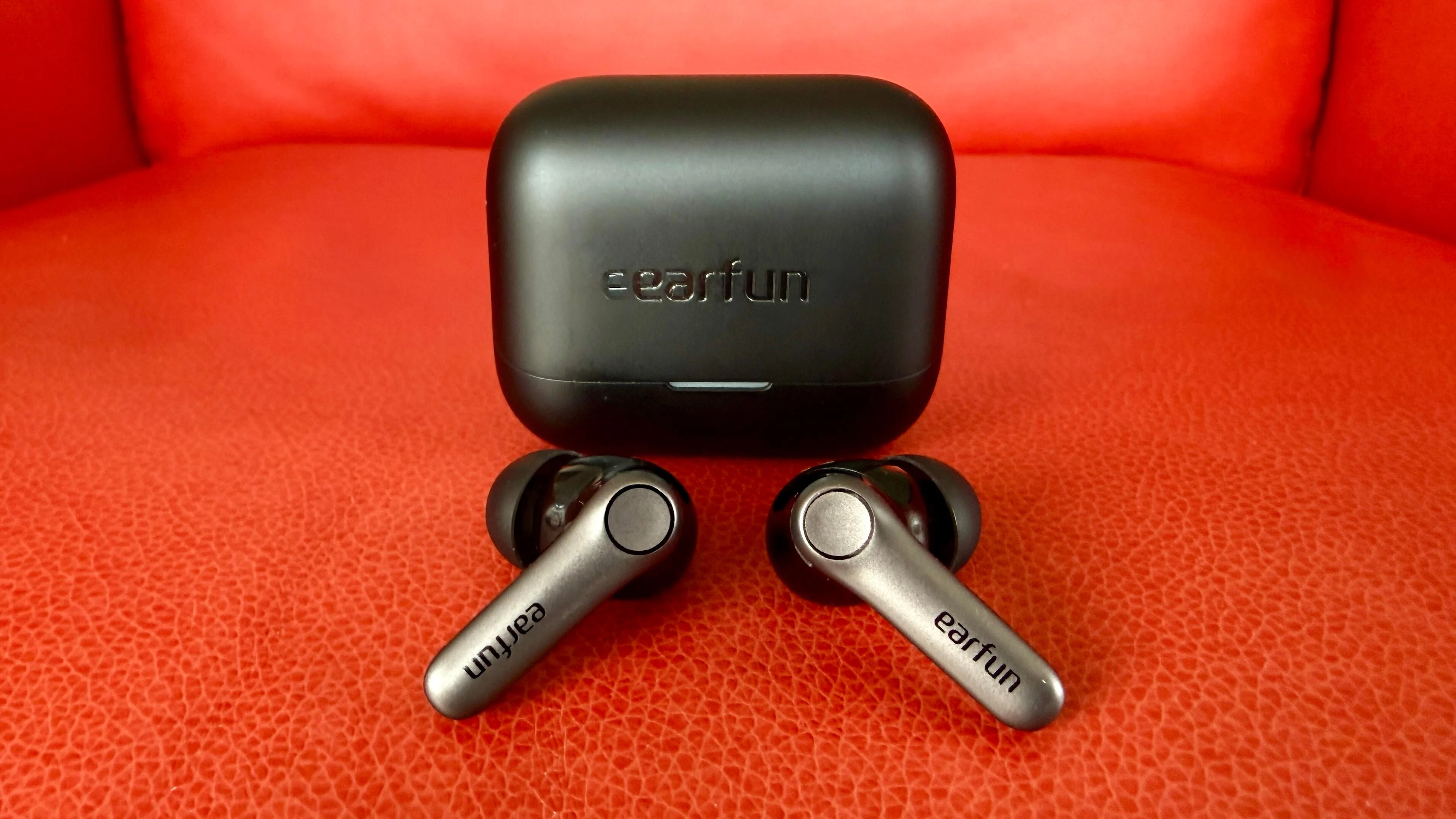
Last year, I awarded a CNET Editors' Choice to Earfun's Air Pro 4 earbuds, saying they were "hard to beat for the money." The same can be said for Earfun's new-for-2025 Air Pro 4 Plus, which also earned a CNET Editors' Choice award. Though these earbuds aren't without a few small shortcomings, those could easily be fixed with future firmware updates. At around $80 on Amazon, the Plus model costs $20 more than the standard Air Pro 4, but features a pretty significant upgrade to sound quality. (Note: Apply the code AP4PCNET at checkout on Amazon to get an additional 10% off.)
Reasons to buy them
The buds are equipped with a new dual-driver system that pairs a 10mm dynamic driver with an "ultra-light FeatherBA" balanced-armature driver that helps improve bass and treble performance. Typically, earbuds with dual drivers cost significantly more (these are the first earbuds that cost less than $100 that I've seen with dual drivers). The Earfun Air Pro 4 Plus also offer a comfortable fit and a pretty robust feature set, along with improved noise canceling that's quite decent. (Read my full review.)
Reason to skip/keep looking
If Earfun could figure out a way to raise the level of the voice-calling performance of its flagship earbuds from a B- to an A- or so, they'd be the almost perfect sub $100 true-wireless earbuds. We'll see if we get some tweaks and small improvements with future firmware upgrades, but as it stands, the Air Pro 4 Plus are still excellent for the price.
Pros
- Dual-driver technology improves sound dramatically
- Comfortable and secure open-ear design
- Low vibration
- Good voice-calling performance
- Limited sound leakage
Cons
- Somwhat pricey
The problem with bone-conduction headphones has always been that they just don't sound all that good. That is unless you plug up your ears, which defeats the safety benefit of their open-ear design and is why they're so popular with runners and bikers. Well, that just changed. Shokz has finally cracked the code on bone-conduction sound quality with a novel dual-driver design in its new flagship OpenRun Pro 2 headphones ($180).
With the OpenRun Pro 2, Shokz has solved the bass deficiency issue by adding a second, more traditional speaker driver that's tasked with firing bass frequencies toward your open ears. Shokz employed that same micro-speaker technology (it calls it "air conduction") in its first non-bone-conduction headphones, the OpenFit ($140) and Open Fit Air ($120) true-wireless earbuds.
Pros
- Upgraded design from X10
- Secure, comfortable fit
- Slightly better sound and noise canceling
- Improved battery life
- Fully waterproof and dust-proof
Cons
- Lack a bit of clarity
- Sound is degraded if you don't get a tight seal
Why I like them
The Soundcore Sport X20 has some nice upgrades over Anker's original Soundcore X10 earbuds. They include an improved design, adaptive noise canceling, superior battery life, slightly better sound and multipoint Bluetooth pairing. Like the previous model, these have an interesting design with rotating swiveling ear hooks. However, they don't swivel as much as the X10's ear hooks, which is a good thing (they stayed on my ears very securely). I also liked that the charging case has a smaller footprint than a lot of buds with ear hooks.
Fully waterproof and dust-proof with an IP68 rating, the X20 have slightly larger drivers than the X10 (11mm instead of 10mm). As long as you get a tight seal from the included ear tips (you get 5 sizes), they're able to deliver good sound with punchy bass and good detail. They lack a bit of clarity, particularly at higher volumes (there was a touch of distortion), and the noise canceling isn't as good as Sony or Bose's noise canceling. But the buds are affordable and a good value overall. As for battery life, it's rated at up to 12 hours with noise canceling off and 7 hours with it on. Voice-calling performance is also decent thought not exceptionally good.
Reasons to buy
If you like the concept of the Beats Powerbeats Pro 2 but don't want to pay $249 for them (yes, they do regularly go on sale, but they list for $249), the X2 are a good alternative for a lot less money.
Reasons to skip/keep looking
Some people prefer an open design (that lets sound in from the outside world) in a set of ear-hook style earbuds. Not everybody will get a tight seal from these earbuds.
Pros
- Sturdy design (IP54 water-resistant)
- Comfortable
- Come with a second set of ear pads for workouts
- Good battery life
- USB-C audio
Cons
- No companion app
- No headphone cable for wired mode with devices with headphone jacks
While the BlueAnt Pump X headphones aren't going to win any awards for sound quality (they sound good but not great), they have a few things going for them as gym headphones. First, they fold up and feel sturdily built, weighing in at 295 grams (while they're not light, they're also not too heavy). Second, they're comfortable to wear and come with two sets of swappable ear pads -- the "everyday" set is covered with soft faux leather, while the workout set is cloth-covered and is designed to keep your ears cooler as you heat up. Finally, they're IP54 splash-proof and sweat-proof. I also liked that they feature physical control buttons, making them easy to operate, and support USB-C audio, which allows you to plug them into a USB-C-equipped smartphone, tablet or PC and use a wired connection to improve the audio quality with more clarity.
Equipped with Bluetooth 5.4 but lacking a companion app or ear-detection sensor, their sound profile leans to the warm side. They have a bit of bass push, which some people like, and you get three modes to choose from: Transparent, Noise Cancelling and X-Mode. The latter offers the most dynamic range and volume, which is why I tended to keep it in X-Mode. Battery life is also decent at up to 58 hours of battery life at moderate volume levels with noise cancelling off. But in most other respects, as the price indicates, these are pretty much midrange headphones. In other words, don't expect to be blown away by their sound quality, noise-canceling or voice-calling performance. But they're decent across the board and make appealing gym headphones for those who like to work out in over-ear headphones.
Pros
- Comfortable, secure fit
- Very good sound and noise canceling
- Good battery life
- Case has wireless charging
- Voice-control features built into buds
Cons
- Buds and case are a little big
- Voice-calling performance could be slightly better
- Voice-control features are a bit hit or miss
In recent years, with its new earbuds, Bose has focused on premium noise-canceling buds with premium price tags. But now it's released more affordable QuietComfort Earbuds at $179 (£180) for folks priced out of its $299 (£300) flagship QuietComfort Ultra Earbuds. The new QC Earbuds, as Bose calls them, don't perform quite as well as the QC Ultra Earbuds, but they offer a very secure fit, strong sound and noice-canceling performance while adding a few new features, including built-in voice controls, not found in the Ultras.
Pros
- Smaller design should provide a better fit for a wider range of ears
- Built-in stabilizer fins for a more secure fit
- Excellent sound quality with improved detail, depth and definition
- New Tensor A1 chip steps up the processing power
- Improved noise canceling that muffles more sound across a wider range of frequencies
- Good voice-calling performance (Pixel users get Google's "Clear Calling" technology)
- "Hands-free, eyes-free" Gemini AI Google Assistant for Android users
- Spatial audio with head tracking
Cons
- Higher price than previous model
- Not everybody will get a tight seal from included ear tips
- No support for AptX or LDAC audio codecs
Why I like them
When they're in your ears, the Pixel Buds Pro 2 look a lot like the original Pixel Buds Pro and retain the stabilizer fins that help lock the buds in your ears. But they're smaller than their predecessor and Google equipped them with its new Tensor A1 chip, which offers more processing power and boosts their performance across the board. How you ultimately feel about them will largely depend on how well they fit your ears. That's the case for most noise-canceling earbuds, but with the Pixel Buds Pro 2, if you don't get a tight seal from the included ear tips, there's a massive dip in both sound quality and noise-canceling performance. If you do get a tight seal, these buds deliver excellent sound, strong noise-muffling capabilities and a robust feature set, particularly for Android and Google Pixel phone users. Read my Google Pixel Buds Pro 2 review.
Reasons to buy
For Pixel device owners, the Pixel Buds Pro 2 have some extra appeal because they're designed to work more seamlessly with your Pixel devices (there's automatic switching between Pixel smartphones, tablets and watches) and also feature "Clear Calling" for Pixel smartphones, which does improve voice calling performance a bit. That said, Android owners can take advantage of most of the Pixel Buds Pro 2's features, including hands-free Google Assistant and "Conversation Detect" feature that pauses what you're listening to and puts the buds in transparency mode when you start talking to someone.
Reasons to skip/keep looking
I'll start by pointing out that while buds work just fine with iPhones, iPhone users miss out out several features, so Apple users should probably look elsewhere. From an ergonomic standpoint, the buds' smaller design should provide a better fit for a wider range of ears, but some people may find that the original Pixel Buds Pro fit their ears better. Also, some Android owners may be disappointed that the buds support neither Qualcomm's AptX or Sony's LDAC audio codecs (AAC and SBC are supported). Lastly, it's a little annoying that the white case can pick up stains from objects in pockets, though the case is easy enough to clean off with a alcohol wipe.
Pros
- Comfortable design with cloth-covered memory foam ear pads that are removable and washable
- Well-balanced, smooth sound at default bass setting
- Physical controls are easy to operate by feel
- Sider dials in the bass to levels you'll feel
- Simple carrying pouch included
- Built-in Tile finding technology
Cons
- No noise canceling
- Somewhat expensive
- Bass gets boomy and muddy at max setting (but some people love that)
Skullcandy's Crusher headphones have a built-in slider that allows you to dial in the bass to such a degree that you literally feel it vibrating on your head. The Crusher 540 Active is similar to other Crusher models (it doesn't have active noise canceling like the Crusher ANC 2, however) but it has a sweat-resistant nano coating as well as removable ear pads that are washable. I found those memory foam ear pads, which are cloth-covered, quite comfortable to wear and easy enough to put back on after I removed them, although it initially seemed harder than it looked to get them seated securely again. They also have physical controls, which I appreciated, and I liked their sound when I dialed back the bass to its lowest setting. The headphones actually offer decent clarity and well-defined bass at their default setting, but bass heads can dial up the low-end to 11 and rattle their heads all they want (the bass does sound fairly muddy when you crank it all the way up).
While these fit my head relatively securely, those with smaller heads may not get a really secure fit. That can be annoying if you're trying to sit ups or some other exercise with them on and they start to slide off. But those with bigger heads shouldn't have any issues.
Pros
- Comfortable
- Swappable sweat-proof ear pads included
- Good sound
- Decent noise canceling
- Strong battery life
Cons
- Fairly pricey
- No companion app at launch
Known for its swim headphones and earbuds, H2O Audio has now branched out into more land-based headphones with its Ript Ultra over-ear headphones and Ript Light earbuds. For working out, the Ript Ultra headphones' key feature are their ear "cushions." Two swappable sets are included: One is covered with soft-to-the-touch silicone and is sweatproof (the pads are washable) while the other is covered with soft faux leather for everyday use. Both sets of cushions are nicely padded with memory foam on the inside and the headphones are comfortable to wear, though slightly heavy at 10.5 ounces (298 grams).
The Ript Ultra are fairly pricey but they do sound good and feature decent noise canceling as well as long battery life (up to 50 hours at moderate volume levels). I'm not sure they sound quite as good as some $250 headphones -- they lack a bit of clarity -- but they're pretty dynamic and have some warmth to them with plenty of punchy bass. Voice-calling performance was also decent and the headphones come with a protective carrying case and include a cord for wired listening. Hopefully, they'll come down in price a bit because they have some appealing traits, especially those swappable ear cushions, and seem to be sturdily built even if they are mostly made of plastic.
Pros
- Significantly improved sound quality with better clarity, definition and tighter bass
- Durable, seamless faux-leather earpads for excellent comfort and acoustic seal
- Improved noise canceling and more natural sounding transparency mode
- Very good voice-calling performance
- Spatial audio with head tracking for Apple users
- USB-C audio for lossless wired listening
Cons
- Uses custom Beats chip rather than Apple's H2 chip (limits future feature upgrades)
- No ear-detection sensors to automatically pause/resume audio
- USB-C listening mode disables noise cancellation and transparency features
Why I like them
Love 'em or hate 'em, Beats Studio headphones are among the most popular headphones of all time, launching as a wired headphone back in 2008. This is the fourth generation of them, and they carry the same list price as their predecessor and look very similar on the outside but have some big changes on the inside that make them significantly better headphones. I'm tempted to describe them as more affordable plastic versions of the AirPods Max. However, that's not quite accurate due to a choice in chipsets and one notable missing feature. But read my full review to find out what makes this a very good headphone with some small caveats.
Reason to buy
The Studio Pros are the best Beats over-ear headphones, geared toward both Apple and Android users. Android users get multipoint Bluetooth pairing with automatic switching between devices linked to your Google account, while Apple users link to their iCloud account but have to manually switch between devices. For Apple users, there's spatial audio with head tracking when watching videos and hands-free Siri access. IThose who prefer a more exciting, forward sound signature over more laid back options will find these appealing, and they should work well with a variety of music genres.
Reason to skip/keep looking
The one big miss here is the lack of ear-detection sensors -- most $350 over-ear headphones have this feature, meaning your music doesn't automatically pause when you take the headphones off. I also think it was a mistake for Beats not to power these with Apple's H2 chip, as going forward you won't get feature upgrades designed for that chip. Android users don't get spatial audio with head tracking or hands-free Siri.
The Sony CH-720N is also available in black.
Pros
- Lightweight and comfortable
- Good sound with very good noise canceling and ambient sound mode
- Good voice-calling performance
- Multipoint Bluetooth
- 35 hours of battery life
- Robust EQ settings
Cons
- No carrying case or pouch included
- Missing more advanced features like ear-detection sensors, LDAC audio codec support and Sony's Quick Attention and Speak-To-Chat
Why I like them
Sony's improved entry-level noise canceling headphones, the CH-720Ns, have a bit of a plasticky budget vibe, but they're lightweight (only 192 grams) and very comfortable. Part of me was expecting them to sound pretty mediocre, but I was pleasantly surprised, as these headphones offer good overall tonal balance with punchy bass, decent clarity and a fairly wide soundstage (the headphones are suitable for a variety of music genres. They also offers decent noise canceling and good voice-calling performance.
No, they don't sound as good or perform as well as Sony's WH-1000XM5 or new WH-1000XM6 headphones. But they sound more premium than they look -- and feel -- and their overall performance is a step up from their predecessor, the CH-710Ns. Are they worth $150? Maybe -- or maybe not. But the good news is that, like the CH-710N and WH-XB910 before them, these frequently are discounted to closer to $100, which makes them a good value.
Reasons to buy
Budget-conscious buyers seeking Sony quality at an accessible price point will find these offer a significant step up from truly entry-level headphone options.
Reasons to skip/keep looking
The main reason not get these is that you simply want a more premium noise-canceling headphone that not only offers better build quality but better overall performance along with more advanced features like ear-detection sensors, LDAC audio codec support and Sony's Quick Attention and Speak-To-Chat features. Sony also leaves out any sort of carrying case or pouch with these headphones, which is slightly disappointing.
Factors to consider when buying workout headphones and earbuds
Budget
Before anything else, you'll want to figure out how much you're willing to spend on new workout earbuds or headphones. The quality of value-priced earbuds and headphones continues to improve, so you can find good options for less than $75. But the premium models, which offer better build quality and performance, tend to cost more than $100 and sometimes more than $150.
Noise-isolating or open design
Workout earbuds are available in a couple of styles. Some come with silicone tips that are designed to create a tight seal in your ear and keep sound out (they have a noise-isolating design). Others have an open-ear design with the buds resting on top of your ears, firing sound into them. The noise-isolating style typically gives you better sound with stronger bass while the open-ear design has the advantage of allowing sound in for safety reasons.
Fit (comfort)
It's key that workout earbuds and headphones fit you not only comfortably but securely. The best headphones should offer a comfortable fit that allows you to wear the earbuds (or headphones) for long periods of time without any irritation.
Durability
You want workout buds or headphones that hold up well over time, so look for models that we note have sturdy build quality and a good water-resistance rating.
Return policy
It's critical to buy your workout buds and headphones at a retailer that has a good return policy, in case you have buyer's remorse. Some people who are having trouble deciding between two models sometimes buy both, try them out for a few days and then return one.
How we test workout earbuds and headphones
We test the best headphones and earbuds for working out based on six key criteria and evaluate the models we test in both a gym environment and for outdoor workouts that include a three-mile run. These criteria include design, sound quality, noise-canceling performance, voice-calling performance, features and value.
- Design: Evaluating design, we assess not only how comfortable the headphones and earbuds fit (their ergonomics) but their build quality and how well the controls are implemented. When it comes to earbuds, we also look at water- and dust-resistance ratings.
- Sound quality: We evaluate sound quality by listening to a set playlist of music tracks and comparing the earbuds to top competing products in their price range. Sonic traits such as bass definition, clarity, dynamic range and how natural the headphones sound are key factors in our assessment.
- Noise-canceling performance: We evaluate noise-canceling performance by wearing the headphones in the same spot indoors near a noisy HVAC unit to see how well they do at muffling lower frequencies. Then we head out to the streets of New York to test the headphones in a real-world environment where we see how they do muffling not only street noise but people's voices.
- Extra features: Some great-sounding workout headphones and earbuds aren't loaded with features, but we do take into account what extra features are on board. These include everything from quick-access awareness to transparency modes (your music pauses and the headphones open up to the outside world so you can have a conversation) to special sound modes to ear-detection sensors that automatically pause your music when you take the headphones off your ears. We also take a look at the companion app for the headphones if there is one and how user friendly it is.
- Voice-calling: When we test voice-calling performance, we make calls in the noisy streets of New York and evaluate how well the headphones or earbuds reduce background noise and how clearly callers can hear our voice.
- Value: We determine value after evaluating the strength of the headphones and earbuds against all these criteria and what they're able to deliver compared to other models in their price class. The best headphones balance price, quality, and functionality.
Other workout headphones and earbuds we tested
Bose Ultra Open Earbuds: They weren't the first clip-on earbuds, but Bose's Ultra Open Earbuds really kickstarted this sub-genre of true-wireless earbuds. They're somewhat overpriced, but otherwise, there's a lot to like about them, including a surprisingly comfortable, secure fit and very good sound quality for open buds. Initially, the buds didn't feature multipoint Bluetooth pairing, but the feature was added in July of 2024. Read my Bose Ultra Open Earbuds review.
JBL Endurance Peak 3: With JBL releasing a new Endurance Peak model in the spring of 2026, its 3rd-gen ear-hook style sport earbuds should be available at a decent discount. Available in black or white, the Endurance Peak 3 buds offer better battery life (up to 10 hours with four extra charges in their case), improved voice-calling performance and an IP68 rating that makes them fully water- and dust-proof. They also have an Ambient Aware transparency mode and Talk Thru mode that can automatically lower your music's volume level and open up the buds to the outside world. That means you can have a conversation with someone without removing the buds from your ears.
Anker Soundcore AeroClip: The Soundcore by AeroClip are Anker's current flagship clip-on earbuds. Not only do I like their design -- they have a premium look and feel -- but they're comfortable to wear and feature very good sound for clip-on buds. Equipped with 12mm drivers, they serve up ample bass with good volume and decent clarity. The buds sound fuller and more open than many cheaper clip-on buds and are among the better-sounding open earbuds I've tried (Android users should note that they have support for Sony's high-quality LDAC audio codec).
Skullcandy Method 360 ANC: In a surprise move, Skullcandy joined forces with Bose in 2025 to create a budget version of Bose's $299 QuietComfort Ultra Earbuds. With "Sound by Bose," not only do the Method 360 ANC buds sound better than most earbuds in this price class (they sound very similar to Bose's $170 QuietComfort Earbuds), they also fit comfortably and securely thanks to Bose's Fit Kit system that features stability bands to lock the buds in your ears. They were featured on our best wireless earbuds list and remain a good value, but Skullcandy has released the Method 540 ANC in 2026 (it has a 20% slimmer smaller case). Read the Skullcandy Method 360 ANC review.
Shokz OpenFit Air: Shokz, the company formerly known as AfterShokz, has long been the leader in bone-conduction headphones. However, this model, like Shokz's step-up OpenFit true-wireless earbuds, doesn't use bone-conduction technology. They have an open design that fires sound into your ears using custom speaker drivers, which Shokz dubs "air conduction" technology. While Shokz' flagship OpenFit 2 buds sound slightly better, have better battery life (up to 11 hours instead of 6 at moderate volume levels) and a physical control button, the Open Fit Air cost about $60 less and are a tad lighter and quite comfortable to wear. That said, it appears that they are being phased out by Shokz.
Edifier LolliClip: Bose's Ultra Open Earbuds may be the best-sounding and most comfortable clip-on earbuds but they list for $300. In contrast, Edifier's new LolliClip buds cost $130 and their sound is pretty close to what you get with the Bose Ultra Open Earbuds -- and they're almost as comfortable to wear while fitting my ears securely. They also have some features the Bose buds don't have, including active noise canceling (it's not all that effective but you do sense it muffling some noise in the lower frequencies), a heart-rate monitor, blood oxygen sensor and spatial audio with head-tracking. There's also a low-latency mode for gaming and support the LDAC for Android users.
Jabra Elite 8 Active Gen 2: Jabra billed these buds, which have unfortunately been discontinued, as the "world's toughest earbuds," and based on our tests (they survived several drops without a scratch), that may very well be true. While there are two new color options, the Gen 2 model doesn't look any different from the original but it includes an LE Audio smart case, allowing wireless streaming from any device with USB-C or 3.5mm port (I tested it with inflight entertainment and it worked well, with no audio lag). The Elite 8 Active Gen 2 also feature enhanced spatial sound powered by Dolby Audio "for a better music experience," enhanced Natural HearThrough for better awareness when outdoors, and improved noise-canceling performance.
Soundcore by Anker Sport X10: The Soundcore Sport X10 have an interesting design with rotating swiveling ear hooks that flip up when you're using them and flip down when you want to set them in their charging case, which has a smaller footprint than a lot of buds with ear hooks. As long as you get a tight seal, they sound good, with powerful, punchy bass and good detail. They also have active noise canceling, which is effective but not as good as Sony's or Bose's noise canceling. They're also fully waterproof with an IP rating of IPX7, which means they can be fully submerged in up to 3 feet of water for 30 minutes. Battery life is rated at up to eight hours with an additional three charges in the charging case.
Shokz Open Move: Shokz' entry-level OpenMove bone-conduction headphone lists for $80, although we've occasionally seen it drop below $70. It replaces the older Titanium model and features some small design upgrades. I found it comfortable to wear and while it doesn't sound great, it sounds relatively good for a bone-conduction headphone -- again, keep your sound quality expectations in check or you'll be disappointed. It's very good for listening to podcasts, audiobooks and news broadcasts while you run.
Sennheiser Sport True Wireless: The Sport True Wireless bluetooth earbuds (about $130) are essentially Sennheiser's CX True Wireless earbuds with sport fins -- for a more secure fit -- and better durability. They have an IP54 rating that makes them splash-proof and dust-resistant. The CX True Wireless, rated IPX4, don't offer dust resistance.
Skullcandy Push Active : With their ear-hook design, they're essentially a more affordable version of the Beats Powerbeats Pro and they actually fit my ears slightly better than the Powerbeats Pro -- I'm not usually a fan of ear-hook style buds, but these are one of the better models. They also cost a lot less than the Beats.
Cleer Audio Arc 2 Sport: Cleer's original Arc earbuds were solid sport earbuds that featured decent sound for open-style buds that sit on top of your ears and fire sound into them. The 2023 model (about $170) steps up the sound quality and offers additional refinements and feature upgrades, including a new "enhanced" charging case with UV sterilization and multipoint Bluetooth connectivity (Bluetooth 5.3), all of which makes for a significantly improved product.
Beats Powerbeats Pro: While the Powerbeats Pro remain popular workout earbuds, they've been around for several years so it's best to buy them at significant discount.
JBL Live Pro 2: Over the years, JBL headphones have put out some decent true-wireless bluetooth earbuds, but nothing that really got me too excited. That's finally changed with the arrival of the Samsung-owned brand's new Live Pro 2 and Live Free 2 buds. Both sets of buds -- the Live Pro 2 have stems while the Live Free 2 have a pill-shaped design -- offer a comfortable fit along with strong noise canceling, very good sound quality and voice-calling performance, plus a robust set of features, including multipoint Bluetooth pairing, an IP rating of IPX5 (splash-proof) and wireless charging.
Sony LinkBuds: The LinkBuds are, in a sense, Sony's answer to Apple's standard AirPods. While they don't sound as good as Sony's flagship WF-1000XM4 or the LinkBuds S noise-isolating Bluetooth earbuds, they offer a discreet, innovative design and a more secure fit than the AirPods, as well as decent sound and very good voice-calling performance. Like the third-gen AirPods, their open design allows you to hear the outside world -- that's what the ring is all about. Read our Sony LinkBuds review.